
Fuel Tank Decommissioning
Managed hazardous waste requirements during an eight-week fuel tank decommissioning project, coordinating the safe removal and compliant disposal of 18,000 litres of contaminated liquids and 22 tonnes of waste, with full documentation.


The Challenge
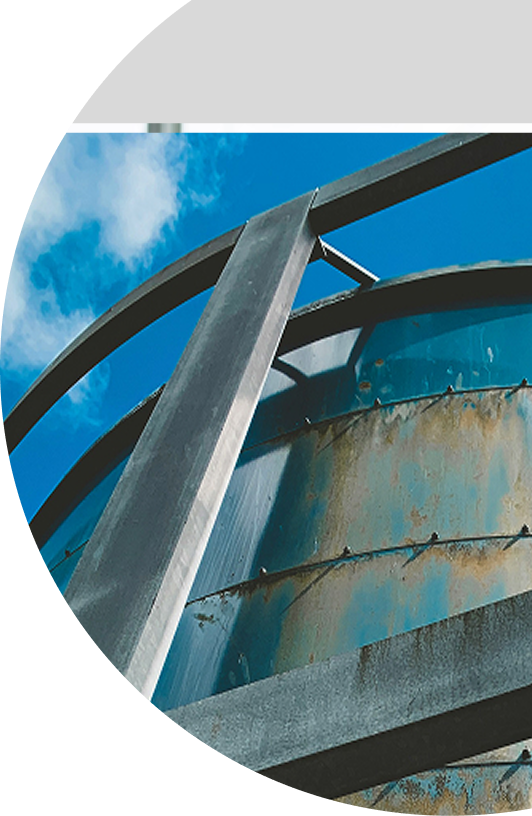
We appointed a waste management company to arrange the decommissioning of an ageing fuel storage system at a large industrial manufacturing facility. The site had several redundant above-ground fuel tanks that had been out of service for several years but still contained residual fuel, sludge and contaminated waste.
The project involved the safe isolation, cleaning, dismantling and removal of the tanks, together with the collection and compliant disposal of all hazardous waste generated throughout the works.
The client’s priority was to complete the project safely while allowing the rest of the facility to remain fully operational.
The Solution
Weeks 1 & 2 – Site Survey, Planning & Isolation
The project began with a detailed site survey to assess the condition of the tanks, surrounding infrastructure and access routes. Working closely with the client, a phased programme of works was developed which included:
- Site-specific Risk Assessments and Method Statements (RAMS)
- Emergency response procedures
- Environmental protection measures
- Waste management plan
- Traffic management arrangements
- Isolation of fuel lines and associated pipework
Before any work commenced, all tanks were tested for hazardous atmospheres and isolated from the site’s fuel distribution system.
Weeks 3 & 4 – Tank Cleaning & Hazardous Waste Removal
Once the tanks had been made safe, a full internal tank cleaning operation was overseen.
Residual diesel, sludge, contaminated water and sediment were removed using specialist vacuum equipment before the tanks were manually cleaned to remove any remaining contamination.
Hazardous waste removed from the tanks included:
- Waste diesel
- Fuel sludge
- Contaminated wash water
- Oil-contaminated absorbents
- Contaminated PPE
- Oily rags
- Used spill response materials
All waste was segregated, securely packaged and transported to authorised treatment facilities using licensed hazardous waste carriers.
Throughout this stage, all Hazardous Waste Consignment Notes and supporting documentation were completed and issued to the client.
Weeks 5 & 6 – Tank Dismantling
Following confirmation that each tank was gas free and suitable for hot works, dismantling operations began. Using specialist lifting equipment and cutting methods, each steel tank was dismantled in controlled sections before being safely removed from site.
The works also included:
- Removal of associated pipework
- Pump disconnection
- Valve removal
- Bund area clearance
- Steel segregation for recycling
All work was carried out under strict safety controls to minimise risk to both personnel and the client’s ongoing operations.
Week 7 – Site Remediation
Following removal of the tanks, the former storage area was inspected for contamination.
Minor areas of oil-contaminated material were excavated and removed for specialist treatment before the concrete hardstanding was cleaned and inspected.
The site was left clean, safe and ready for redevelopment.
Week 8 – Final Inspection & Project Completion
During the final week the waste management company completed a full inspection with the client to confirm all works had been completed to specification.
The client received a complete compliance pack including:
- Hazardous Waste Consignment Notes
- Waste Transfer Notes
- Tank Cleaning Records
- Waste Disposal Documentation
- Recycling Certificates
- Project Completion Report
Every aspect of the project was completed in accordance with current environmental and health & safety legislation.
The Result
The project resulted in the safe removal of three redundant fuel storage tanks, over 18,000 litres of residual fuel and contaminated liquids, and approximately 22 tonnes of hazardous and non-hazardous waste.
The works were completed on programme with zero environmental incidents, zero lost-time injuries and no disruption to the client’s manufacturing operations.
By the end of the project, the client had eliminated a significant environmental risk, recovered valuable space for future development and achieved full compliance with their environmental management objectives. Since completing the works, I have continued to support the site with planned hazardous waste collections, interceptor cleaning and routine environmental maintenance.

weeks.
To complete the decommissioning of an ageing fuel storage system at a large industrial manufacturing facility.
litres of waste fuels & liquids.
Also safely removal were three redundant fuel storage tanks and 22 tonnes of hazardous and non-hazardous waste.
zero incidents. zero lost time.
No disruption to manufacturing operations and full compliance with environmental management onbjectives.
Get a quote
Smarter waste management starts here. We connect businesses with the most efficient disposal and recycling solutions, reducing costs, improving sustainability, and delivering measurable results.
